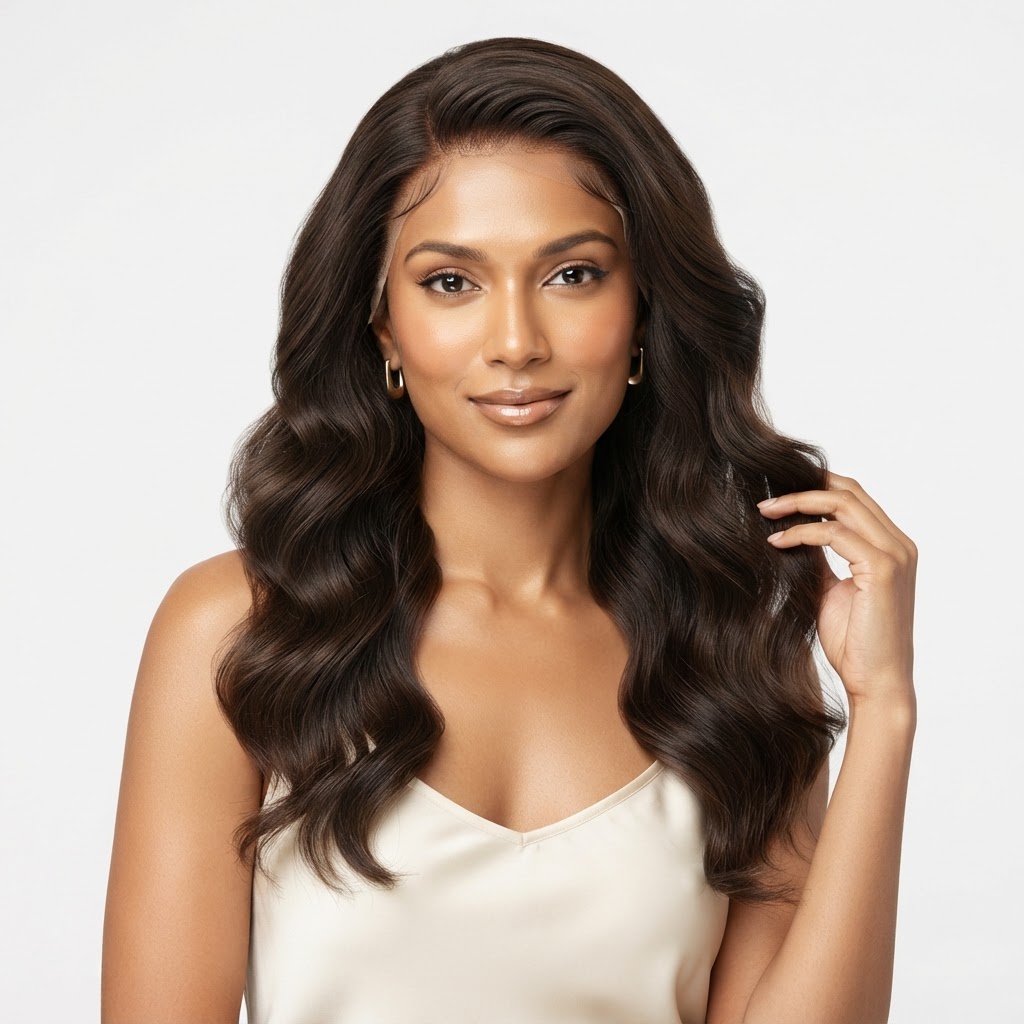
What is Wig Density?
When you begin your journey into the world of high-quality hair systems, the terminology can often feel overwhelming. One of the most critical factors that determine the realism of your wig is its density. Simply put, wig density refers to how thick or thin the hair on your wig cap is. It is not about the length or the quality of the hair, but rather the sheer amount of individual hair strands tied or sewn into the base.
Understanding this concept is vital because a wig that is too dense can look 'wiggy' or bulky, while one that is too thin may expose the lace or track, making it look unnatural. Achieving the perfect balance is the secret to a seamless install. Whether you are searching for your first piece or upgrading your collection, our Wig Density Guide provides deep insights into finding that 'Goldilocks' zone for your specific head shape and personal aesthetic.
While many synthetic wigs come with a pre-set, often overly dense construction, premium hair solutions like Indian Remy hair offer more versatility. Because What Is Indian Remy Hair is a common question for our readers, we always emphasise that the quality of the cuticle matters just as much as the density. High-quality hair flows naturally, allowing even higher densities to move and sway like a natural head of hair.
Understanding Density Percentages
Wig density is measured in percentages, typically ranging from 80% to 200%. To understand these figures, it helps to know that 100% density is generally considered 'natural' density, mimicking the average thickness of a healthy human head of hair. However, because most people are used to the 'fullness' associated with commercial wigs, most manufacturers use 120% to 130% as their standard baseline.
- 80% - 100% (Light Density): Ideal for those with thinning hair or people who prefer a very natural, flat-to-the-head look. This is often seen in medical-grade wigs designed for older demographics.
- 120% - 130% (Medium Density): The industry standard. It offers a balanced look that is full enough to style but light enough to feel comfortable all day.
- 150% - 180% (Full/Heavy Density): Perfect for those who want a glamorous, voluminous look. This is the go-to for influencers and those looking for a 'red carpet' aesthetic.
- 200% and above (Extra Heavy): Often reserved for theatrical use or costume wigs; rarely recommended for daily wear as it can be quite heavy and prone to tangling.
For our hand-picked recommendations, visit our Recommended Products page. Disclaimer: We may receive a commission for purchases made through affiliate links on this site.
Factors to Consider When Choosing Density
Choosing the right density is a deeply personal decision that should be based on your age, lifestyle, and the texture of the hair you are buying. As a rule of thumb, shorter styles tend to look better with lower density, while longer styles require a bit more volume to prevent the hair from looking 'stringy' towards the ends.
Age is another significant factor. As we get older, our natural hair density tends to decrease. Wearing a 180% density wig in your 50s or 60s might look unnatural to those who know you. Conversely, younger wearers often gravitate towards higher densities to achieve trendy, voluminous blow-out styles. If you are new to the world of hair systems, check out our Best Wigs for Beginners to see how different densities affect the overall learning curve of wig application.
Furthermore, consider your natural hair texture. If you have fine hair, a lighter density will look more convincing. If you have naturally thick, coarse hair, you might find that a higher density aligns better with the volume you are accustomed to. Always remember that you can always thin out a wig with professional help, but adding hair to a thin wig is practically impossible.
Indian Remy Hair and Density Performance
Indian Remy hair is world-renowned for its ability to mimic the natural movement and lustre of human hair. Because this hair is harvested with the cuticles aligned in the same direction, it is incredibly soft and behaves exactly like your own hair. When discussing density, Indian Remy stands in a league of its own compared to Human vs Synthetic options.
In synthetic wigs, high density often leads to a 'plastic' shine and stiff movement. With Indian Remy, even a higher density (like 150%) maintains a fluid, bouncy movement that keeps the wig looking realistic. This is why our readers often prefer to invest in Best Indian Hair Wigs; the hair quality itself allows you to get away with more volume without it looking artificial.
Maintenance also plays a huge role here. Because Indian Remy is durable, it handles daily brushing and heat styling well, regardless of the density. However, keep in mind that the higher the density, the more time you will spend detangling at the end of the day. Proper care is essential, so ensure you have the right tools as outlined on our Recommended Products page.
Styling and Maintenance for Different Densities
Maintaining your wig's density over time is about more than just washing it; it is about proper storage and detangling techniques. High-density wigs are more prone to matting at the nape of the neck because of the increased friction between the hair strands. To keep your wig in top condition, always use a wide-tooth comb and start from the ends working your way up to the roots.
If you have chosen a higher density for a specific look, be prepared for longer drying times. Thick hair holds moisture, which can damage the cap if not dried thoroughly. If you are struggling with the upkeep of your current unit, take a look at our guide on How to Make Human Hair Wig Last Longer. Using the correct products is essential for maintaining that luxurious feel.
Lastly, keep in mind that heat styling can change the 'perceived' density. Straightening your hair will make a wig look thinner, while curling or crimping it will make it appear significantly thicker. This versatility is one of the main advantages of human hair; you can manipulate the visual weight of the hair to suit your mood or the occasion.
Recommended General Products
Looking for products we personally recommend? See our complete list of trusted tools and recommended products.
Browse Recommended ProductsFrequently Asked Questions
1. Is 130% or 150% density better for beginners?
For most beginners, 130% is the best starting point. It offers a realistic look that isn't too overwhelming to manage, style, or customise. It is the perfect middle ground for everyday wear.
2. Does high density mean better quality?
No. Density and quality are two separate things. A wig can have 200% density but be made of poor-quality, processed hair that tangles easily. Always prioritise hair quality (like Indian Remy) over just the volume of the hair.
3. Can I reduce the density of my wig if I buy one that is too thick?
Yes, but it is a delicate process. It is best to take your wig to a professional hair stylist who has experience with lace frontals or closures. They can carefully pluck or thin the hair to achieve a more natural look.
4. Which density looks most natural?
100% to 130% is generally considered the most 'natural' because it mimics the average hair growth on a human scalp. Most people lose hair volume as they age, so these lower densities are often the most undetectable.
5. How does weather affect wig density?
High-density wigs can be very warm during the summer months. If you live in a humid or hot climate, choosing a lower density (120%) will keep you much cooler and more comfortable throughout the day.