If you've spent any time researching human hair wigs or extensions, you've almost certainly come across the term "Indian Remy hair." It appears on product listings, in beauty tutorials, and across countless reviews — but what does it actually mean, and why does it matter so much?
In short, Indian Remy hair is human hair collected from donors in India, where the cuticles are kept intact and aligned in the same direction from root to tip. That single detail — cuticle alignment — is what separates Remy hair from standard human hair, and it's the reason Indian Remy is considered the premium choice for wigs, extensions, and weaves worldwide.
In this guide, we'll break down exactly what Indian Remy hair is, why it's so sought after, how to identify the real thing, and what you should expect to pay for genuine quality.

Why "Remy" Matters More Than You Think
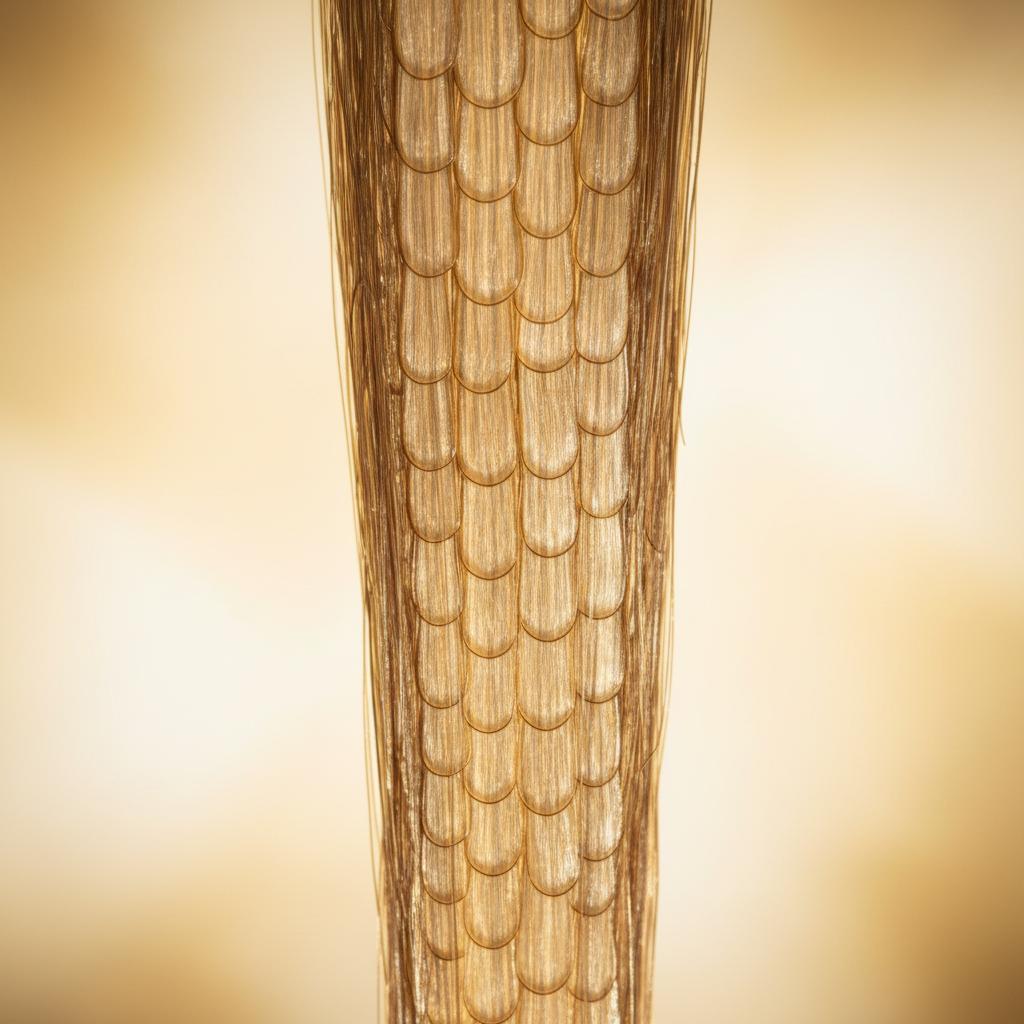
The word "Remy" (sometimes spelled "Remi") refers to a specific collection and processing method for human hair. In Remy hair, every single strand is collected so that the root end and tip end are kept consistent — the cuticle scales all run in the same direction.
Why does that matter? Hair cuticles, when viewed under a microscope, look like overlapping scales. When those scales all face the same direction, strands glide smoothly past each other. When they face different directions — as they do in non-Remy hair — those scales catch and snag on each other, causing tangling, matting, and a rough texture.
Non-Remy hair is often collected from floors of salons, combs, and brushes — mixed from multiple people, in multiple directions. To make it look smooth initially, manufacturers coat it in a silicone layer. That coating washes off after a few shampoos, revealing the tangling mess underneath.
Remy vs Non-Remy: The Core Difference
Think of Remy hair like a set of paint brushes where all the bristles point in the same direction — smooth, consistent, and easy to work with. Non-Remy hair is like a bundle of bristles collected randomly and pointed every which way.
| Feature | Remy Hair | Non-Remy Hair |
|---|---|---|
| Cuticle Direction | Aligned root to tip | Random / mixed |
| Tangling | Minimal | Frequent after washing |
| Texture | Naturally silky | Silicone-coated initially |
| Longevity | 1–3+ years | 3–6 months |
| Heat Styling | Yes | Limited |
| Price | Higher | Lower |
Why Indian Hair Specifically?
While Remy hair can technically come from any region of the world, Indian hair is particularly prized for several reasons rooted in geography, culture, and biology.
Natural Texture
Indian hair has a naturally straight-to-wavy texture that is fine enough to feel silky yet strong enough to handle processing and styling. It sits between the ultra-fine texture of Asian hair and the coarser texture of African hair, making it incredibly versatile — it can be straightened, curled, or left in its natural state and will blend naturally with most hair types.
Natural Colour
The majority of Indian Remy hair comes in natural dark brown to black shades, which are ideal as a base for dyeing lighter colours. The hair responds exceptionally well to colour treatments when processed correctly.
Cultural Significance
Much Indian Remy hair is sourced through temple donations — a Hindu tradition called "tonsuring" or "mundan," where devotees shave their heads as an offering to the gods. This hair is collected in large quantities from temples like the Tirumala Venkateswara Temple in Andhra Pradesh, one of the most visited religious sites in the world.
Because the hair is donated willingly and never cut from a single individual in stages, it tends to be very long (often 12–30 inches), healthy, and completely unprocessed at the time of collection.
| Hair Origin | Texture | Best For | Price Range |
|---|---|---|---|
| Indian | Straight to wavy, fine-medium | Versatile styling, wigs, extensions | $$–$$$ |
| Brazilian | Wavy to curly, medium-thick | Volume, body wave styles | $$$ |
| Malaysian | Silky straight, medium | Straight styles, closures | $$$ |
| Peruvian | Wavy, thick, coarse | Volume, curly styles | $$$ |
| Chinese | Very straight, thick | Straight styles | $$ |
Comparing Indian hair to Brazilian hair? We have a full detailed guide.
Indian vs Brazilian HairHow to Identify Real Indian Remy Hair
Unfortunately, the term "Remy" is heavily misused and misapplied in the hair industry. Many products labelled as "Remy" are anything but. Here's how to spot the real thing.
The Cuticle Rub Test
Take a small section of hair between your fingers and run them from root to tip, then from tip to root. Genuine Remy hair will feel smooth running root to tip (with the cuticles) and slightly rough running tip to root (against the cuticles). If it feels the same in both directions, the cuticles may have been stripped.
The Burn Test
Genuine human hair burns slowly and produces a slight smell similar to burning protein or keratin. It will form a small, crushable ash. Synthetic fibres melt, smell of burning plastic, and leave a hard residue.
Check the Supplier
Reputable suppliers will provide transparency about their sourcing. Look for brands that mention temple-sourced hair, offer return policies, and have a track record of verified customer reviews — not just anonymous 5-star ratings.
Price is a Strong Indicator
Genuine 100% Indian Remy human hair is not cheap. If a 20-inch bundle is selling for $15, it's almost certainly not Remy. Expect to pay $50–$150+ per bundle for authentic, quality Indian Remy hair.

Hair Grades Explained
You'll often see hair marketed with grade labels like "7A", "8A", "10A" or even "12A". While there is no universally standardised grading system, these grades are generally used to communicate quality level.
As a rough guide: higher numbers (9A–12A) typically indicate hair that is thicker from root to tip (less tapering), has minimal shedding, is fully cuticle-aligned, and has not been heavily chemically processed. Lower grades (6A–7A) may have more taper, slight processing, or come from shorter donations.
Because there's no official body regulating these grades, the best approach is to focus on supplier reputation and customer reviews rather than relying solely on grade claims.
Pros and Cons of Indian Remy Hair
| Pros | Cons |
|---|---|
| Cuticles are fully aligned — no tangling | More expensive than non-Remy hair |
| Extremely soft, silky texture | Requires proper care to maintain quality |
| Can be dyed, bleached, and heat styled | Varies in quality between suppliers |
| Natural dark brown shades blend beautifully | May shed slightly in the first few uses |
| Lasts 1–3+ years with proper care | Not always easy to verify authenticity |
Recommended Indian Remy Hair Products
If you're ready to invest in genuine Indian Remy hair, here are some product categories and what to look for:
Hair Bundles
Look for bundles described as "100% virgin Indian Remy" with temple-sourced origins. Purchase at least 3 bundles for a full head installation. Reputable sellers include Mayvenn Hair, Ali Grace Hair, and UNice.
Affiliate Product Picks
- ✦ UNice Indian Remy Hair Bundles — 3-bundle deal, 12"–30" lengths available → Check Price on UNice
- ✦ Ali Grace 10A Indian Remy Bundles — Triple weft, minimal shedding → Check Price
- ✦ Mayvenn Straight Indian Hair — Quality guarantee, free closure with 3+ bundles → Check Price
Care Products for Indian Remy Hair
Affiliate Product Picks
- ✦ Kenra Platinum Silkening Mist — Lightweight, adds silk shine without weighing hair down → Check on Amazon
- ✦ TGIN Miracle RepaiRx Conditioner — Deep moisturising for Remy extensions → Check on Amazon
- ✦ Moroccanoil Treatment — Classic argan oil treatment to keep Indian Remy shiny → Check on Amazon

How to Care for Indian Remy Hair
Once you've invested in quality Indian Remy hair, caring for it properly will determine how long it lasts and how great it looks.
Step 1: Detangle Before Washing
Always detangle with a wide-tooth comb from ends to roots before getting the hair wet. Wet tangled hair is far more prone to breakage.
Step 2: Use Sulphate-Free Shampoo
Sulphates strip the natural oils from the hair, causing dryness and frizz. Always use a sulphate-free, moisturising shampoo. Work the product in a downward motion, never scrubbing in circles.
Step 3: Deep Condition Regularly
Apply a nourishing conditioner or hair mask from mid-lengths to ends. Leave for 5–15 minutes and rinse with cool water to seal the cuticle and lock in moisture.
Step 4: Air Dry When Possible
Gently squeeze out water with a microfibre towel, then allow to air dry on a wig stand or hanger. Avoid rubbing, which causes frizz and tangles.
Step 5: Apply a Light Oil or Serum
Once dry, apply a tiny amount of argan oil or hair serum to the lengths and ends to maintain softness and shine. Avoid applying products directly to any lace or weft areas.
Learn the full step-by-step wig washing process in our dedicated guide.
How to Wash a Human Hair WigFrequently Asked Questions
Is Indian Remy hair the same as virgin hair?
Not necessarily. Remy refers to cuticle alignment; virgin means the hair has never been chemically processed. Hair can be Remy but not virgin (e.g., if it's been coloured), and theoretically virgin but not Remy (though this is less common). 'Virgin Indian Remy' is the highest quality classification.
How can I tell if my Indian Remy hair is real?
Use the cuticle rub test (run fingers root to tip — should feel smooth), burn test (burns like protein, not plastic), and check the price and supplier reputation. Real Remy hair is rarely cheap.
How long does Indian Remy hair last?
With proper care — regular conditioning, minimal heat, and gentle handling — Indian Remy hair can last 1–3 years or more.
Can I colour Indian Remy hair?
Yes. Virgin Indian Remy hair responds very well to colour treatments. However, chemical processing will reduce longevity, so always use a professional or proceed carefully.
Why is Indian Remy hair more expensive than other types?
The collection process is more labour-intensive, quality control is stricter, and genuine temple-sourced hair is a limited supply. You're paying for authenticity and longevity.
Ready to shop? See our curated list of the best Indian hair wigs available right now.
Best Indian Hair Wigs