You've found a beautiful human hair wig in the right length, texture, and style — but then you hit the density dropdown and see options like 130%, 150%, 180%, 200%. What does it all mean? Which should you choose?
Wig density refers to how thick and full the wig appears — essentially how many hair strands are sewn onto the cap relative to a benchmark. It's one of the most important (and most misunderstood) factors in choosing a wig, and getting it wrong can make the wig look either unnaturally flat or cartoonishly voluminous.
This guide explains every density level, who each is best suited for, and how to choose the right density based on your face shape, natural hair type, and desired style.
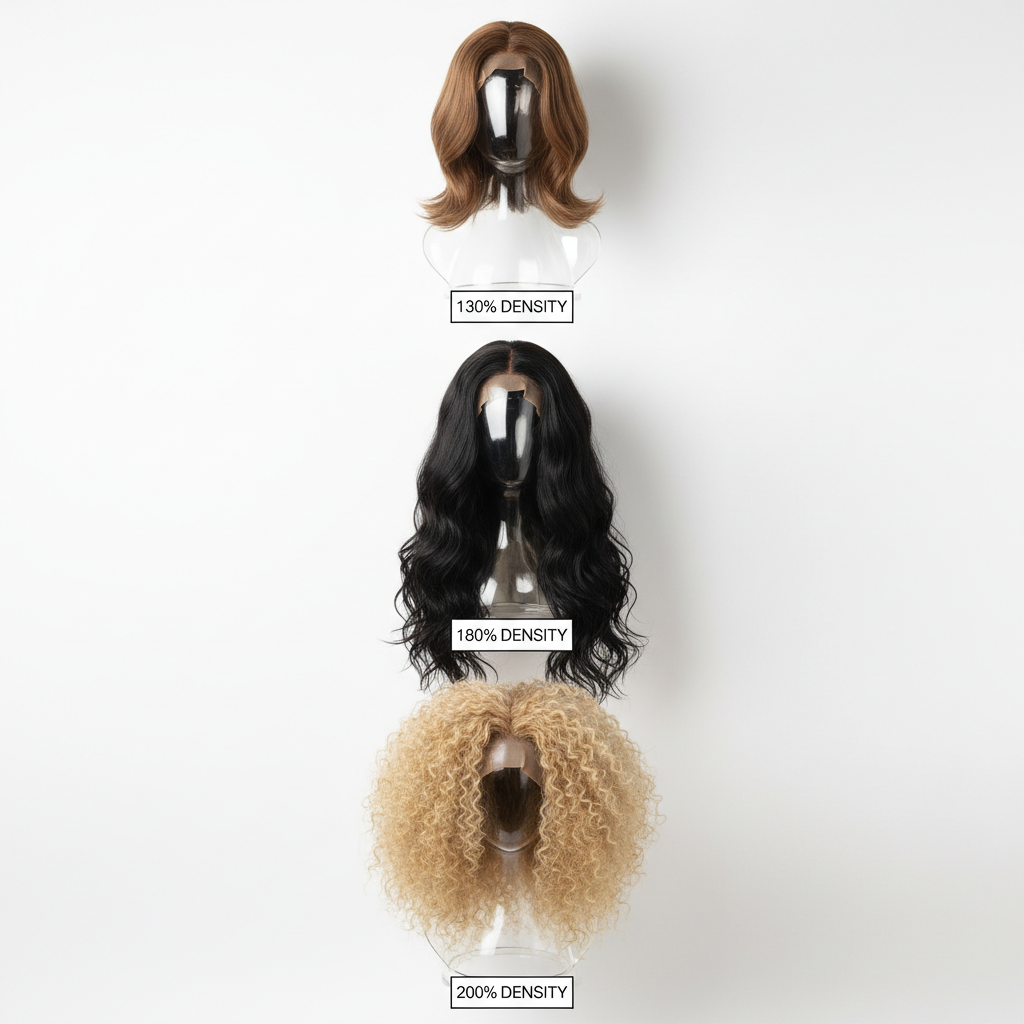
What Is Wig Density?
Wig density is typically expressed as a percentage, representing the amount of hair on the wig cap relative to a baseline measurement. The baseline (100%) represents a "natural" amount of hair — not thin, not thick — similar to average human hair density.
A 150% density wig has 50% more hair than that baseline. A 200% density wig has double the baseline amount. A 130% wig has 30% more, giving a slightly fuller-than-natural look.
It's important to understand that "more density" is not automatically better. The right density depends on what looks natural for your head size, face shape, and natural hair type. An overly dense wig can look unnatural and feel heavy; an insufficiently dense wig can look flat and thin.
Wig Density Levels Explained
| Density | Description | Appearance | Best For |
|---|---|---|---|
| 80%–100% | Very thin | Fine, wispy — mimics thin natural hair | Alopecia / medical hair loss; very fine natural hair |
| 110%–120% | Light | Natural, slightly thin appearance | Fine to normal natural hair types; natural everyday look |
| 130% | Light-medium | Natural, slightly fuller than average | Most beginners; everyday natural look |
| 150% | Medium | Full, healthy, natural-looking — industry standard | Most wig wearers; versatile for all occasions |
| 180% | Heavy | Very full, voluminous | Those who want glamour; curly and wavy styles |
| 200% | Extra heavy | Extremely voluminous, dramatic | Stage, special occasions, very long styles |
| 250%+ | Maximum | Very dramatic, bold volume | Performances, very specific styles |
The most popular density for everyday wear is 150%. It provides a natural, full look without appearing cartoonishly thick, works well across most face shapes and hair textures, and is the industry default for good reason.
Which Density Should You Choose?
The right density comes down to a combination of factors: your natural hair thickness, your desired look, the length of the wig, and its texture. Here's a simplified decision guide:
For a Natural, Everyday Look
Choose 130%–150%. This range mimics a full, healthy head of natural hair without looking overdone. It's the safest choice for beginners and those who want to look like themselves on a good hair day.
For a Glamorous or Voluminous Look
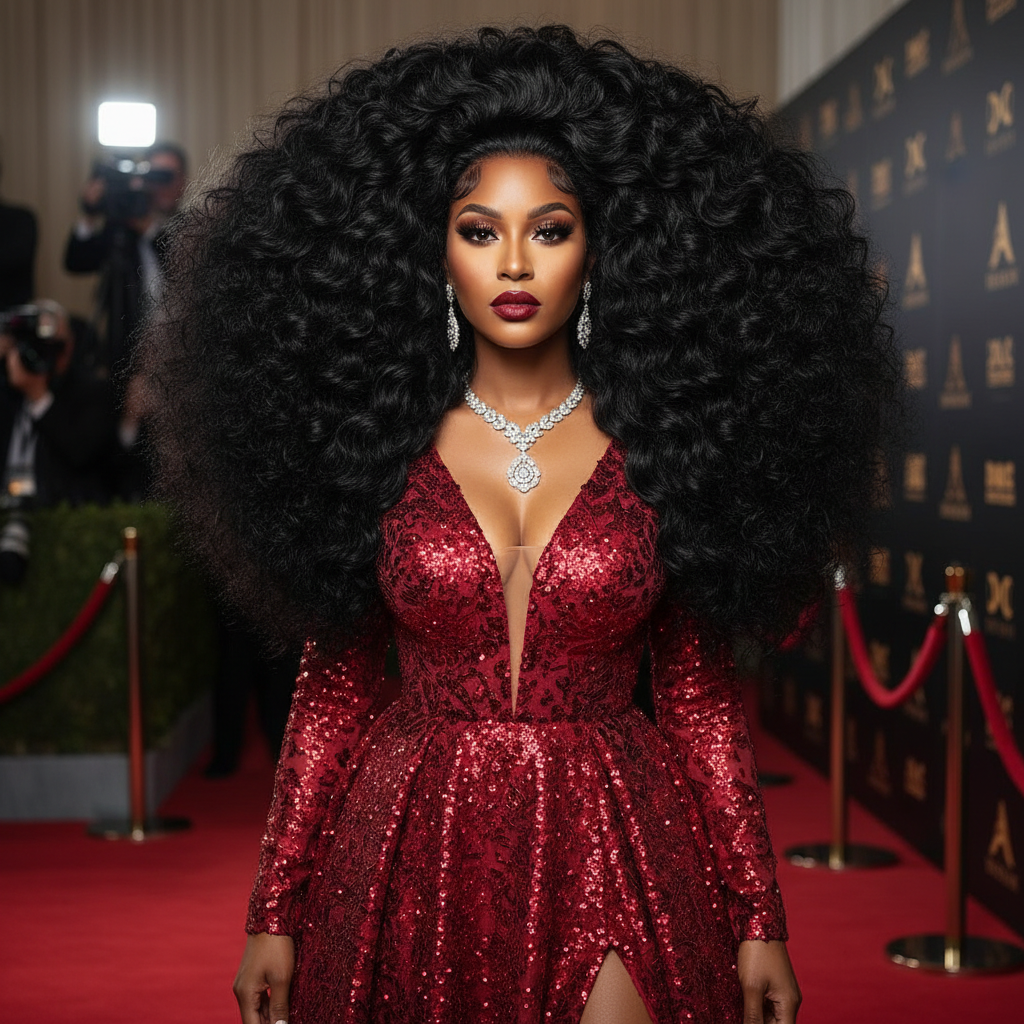
Choose 180%–200%. These densities create the kind of lush, full hair you see in music videos and celebrity photos. They look stunning in photos and on special occasions but can feel heavy for all-day daily wear.
For Medical Hair Loss (Alopecia, Chemo)
Many people with significant hair loss actually prefer a lower density (100%–130%) for the most natural appearance. Very high density wigs can make the transition from less hair to extremely full hair look jarring. A moderate density looks more realistic.
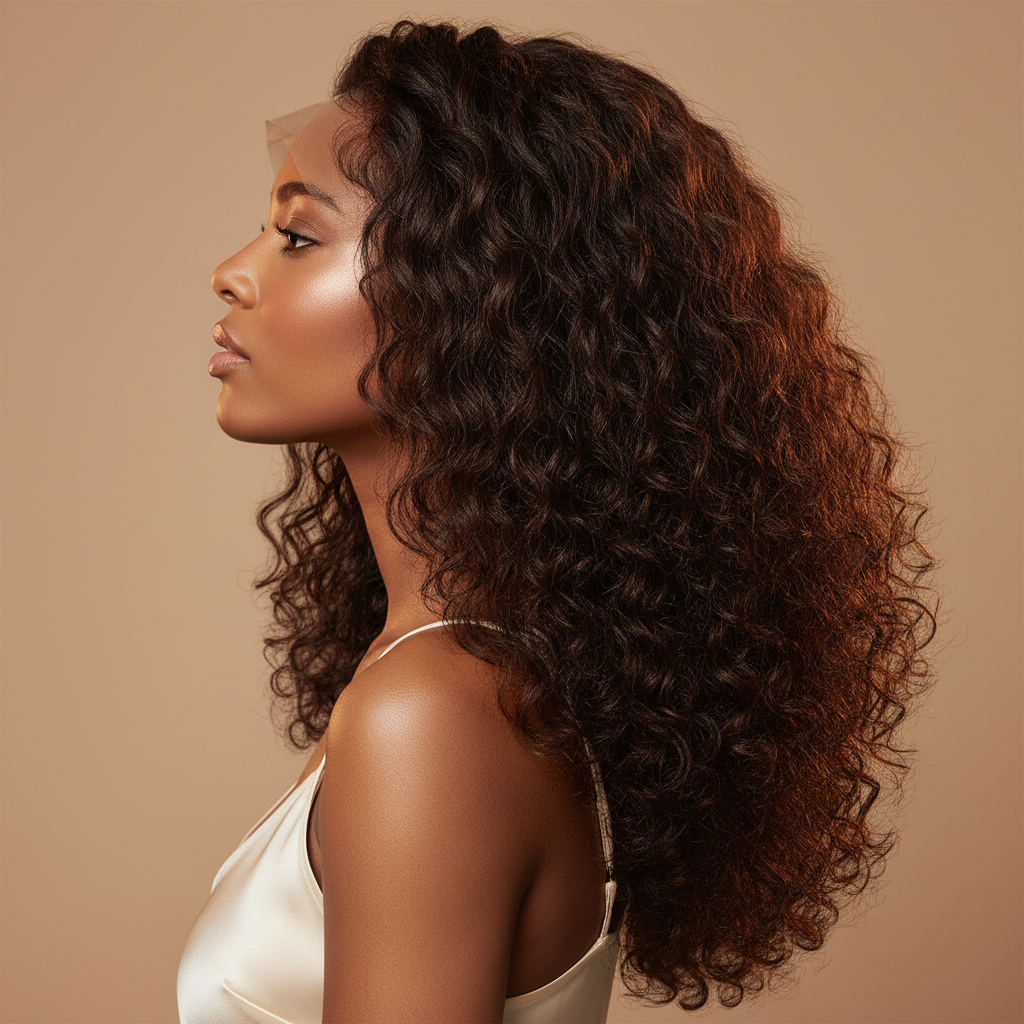
Density & Face Shape
Face shape is an often-overlooked factor in density selection. Here's a quick guide:
| Face Shape | Recommended Density | Why |
|---|---|---|
| Oval | 130%–180% (most work) | Balanced proportions suit most densities |
| Round | 150%–180% | More volume adds height and elongates the face |
| Square | 130%–150% | Lighter, softer volume softens strong jawline |
| Heart | 150% | Balanced volume around the mid-face |
| Long/Oblong | 150%–180% | Volume on sides balances face length |
How Hair Length Affects Density Choice
Hair length has a significant impact on how density looks in practice. Longer hair is heavier, which causes it to hang down and appear slightly less voluminous. This means that for longer wigs (20"+), you may want to go up one density level from your usual preference to achieve the same visual fullness.
| Length | Recommended Minimum Density |
|---|---|
| Short (8"-12") | 130% is sufficient for full look |
| Medium (14"-18") | 150% recommended |
| Long (20"-24") | 150%-180% for visible fullness |
| Very Long (26"+) | 180%-200% to avoid flat appearance |
Density by Hair Texture
Hair texture is another critical consideration. Curly and wavy textures naturally appear fuller and more voluminous than straight hair of the same density. This means:
- Straight or bone straight wigs: 150%–180% for a full, natural look
- Body wave wigs: 130%–150% usually provides sufficient volume
- Deep wave or curly: 130%–150% often looks very full due to the curl pattern
- Kinky or coily textures: 130% can appear very full; 150%+ for true volume
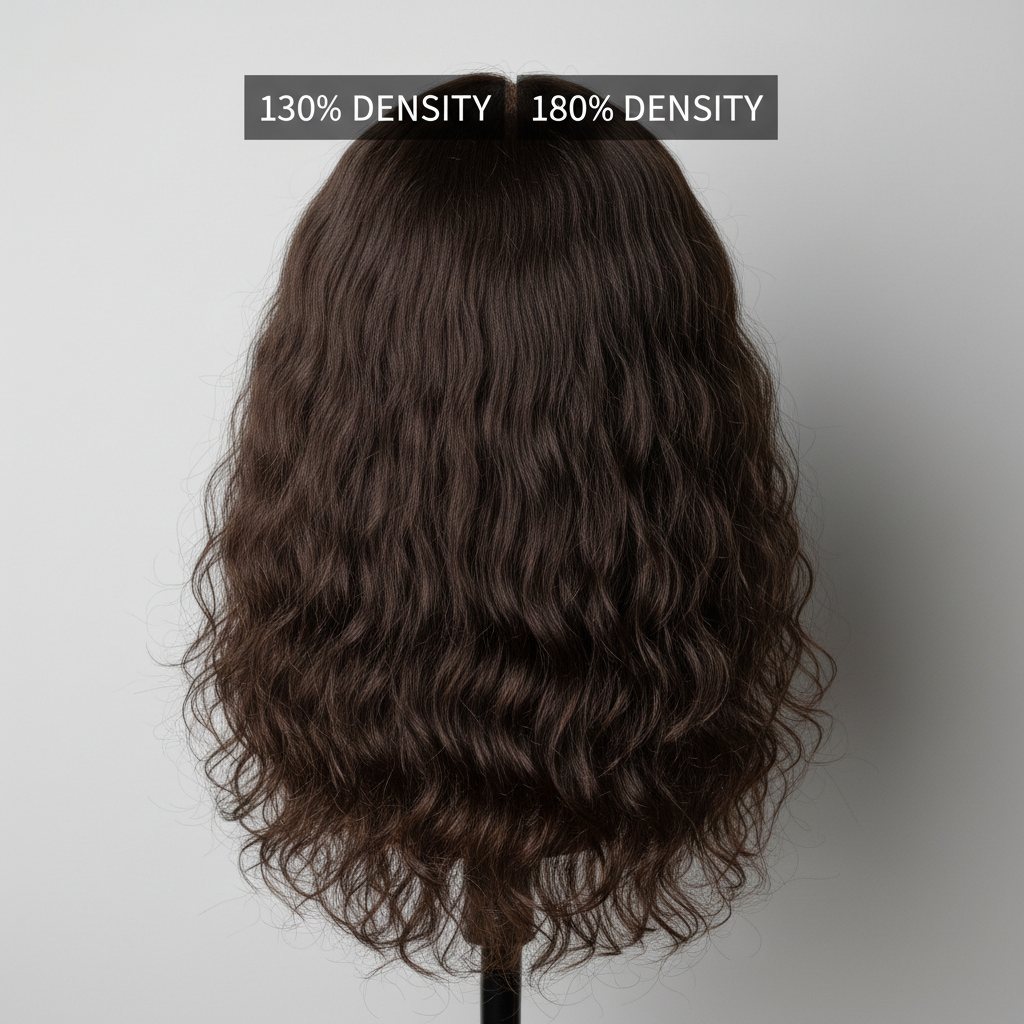
Common Density Mistakes
- Always choosing maximum density — Many beginners assume more is always better. A 250% density wig on a petite frame can look costume-like and obvious.
- Not accounting for length — As explained above, longer wigs need higher density to maintain the same apparent volume.
- Ignoring natural hair type — If your natural hair is very fine, an extremely dense wig may not blend at the hairline.
- Choosing high density for comfort — Higher density = more hair = more weight. For full-day comfort, 150% is often the sweet spot.
- Not reading seller descriptions carefully — Different sellers define their densities slightly differently. Check photos from real customers rather than relying solely on the stated percentage.
Recommended Wigs by Density
Affiliate Product Picks by Density
- ✦ UNice 130% Straight Lace Front — Natural density, lightweight everyday wig → Check Price
- ✦ Luvme 150% Body Wave Glueless Wig — Industry standard density, most versatile → Check Price
- ✦ Isee 180% Deep Wave HD Lace — High density curly wig for glamour looks → Check Price
- ✦ Megalook 200% Straight Long Wig — Extra volume for 24"+ lengths → Check Price
Frequently Asked Questions
Is 150% density good for a beginner?
Yes — 150% is the industry standard for a reason. It provides a natural, full look without being over-the-top, is widely available across all wig styles, and looks great in person and in photos.
What's the difference between 150% and 180% density?
180% is noticeably fuller and heavier than 150%. The difference is more visible in longer wigs and in curly textures. 180% creates a more glamorous, voluminous result, while 150% is more natural-looking for everyday wear.
Does higher density mean heavier wig?
Yes — more hair means more weight. A 200% density wig will feel noticeably heavier than a 130% density wig of the same length. This is worth considering for long-wear comfort.
Can I thin out a wig that's too dense?
Yes — a professional can thin and texturise a wig to reduce density. This is done with thinning shears and creates a more natural, layered result. It cannot be reversed, so proceed carefully.
What density looks most like natural hair?
130%–150% most closely mimics natural hair density for the majority of people. A perfectly maintained 150% wig is often indistinguishable from natural hair in person.
Ready to shop with confidence? See our top picks for best Indian hair wigs across all density levels.
Best Indian Hair Wigs