When browsing for human hair wigs or extensions, two names come up more than any other: Indian hair and Brazilian hair. Both are marketed as premium quality. Both command high prices. And both have dedicated fan bases who swear by them.
But the truth is, Indian hair and Brazilian hair are genuinely different in texture, weight, source, and ideal use — and which one is right for you depends entirely on what you're looking for. In this guide, we'll lay it all out clearly.
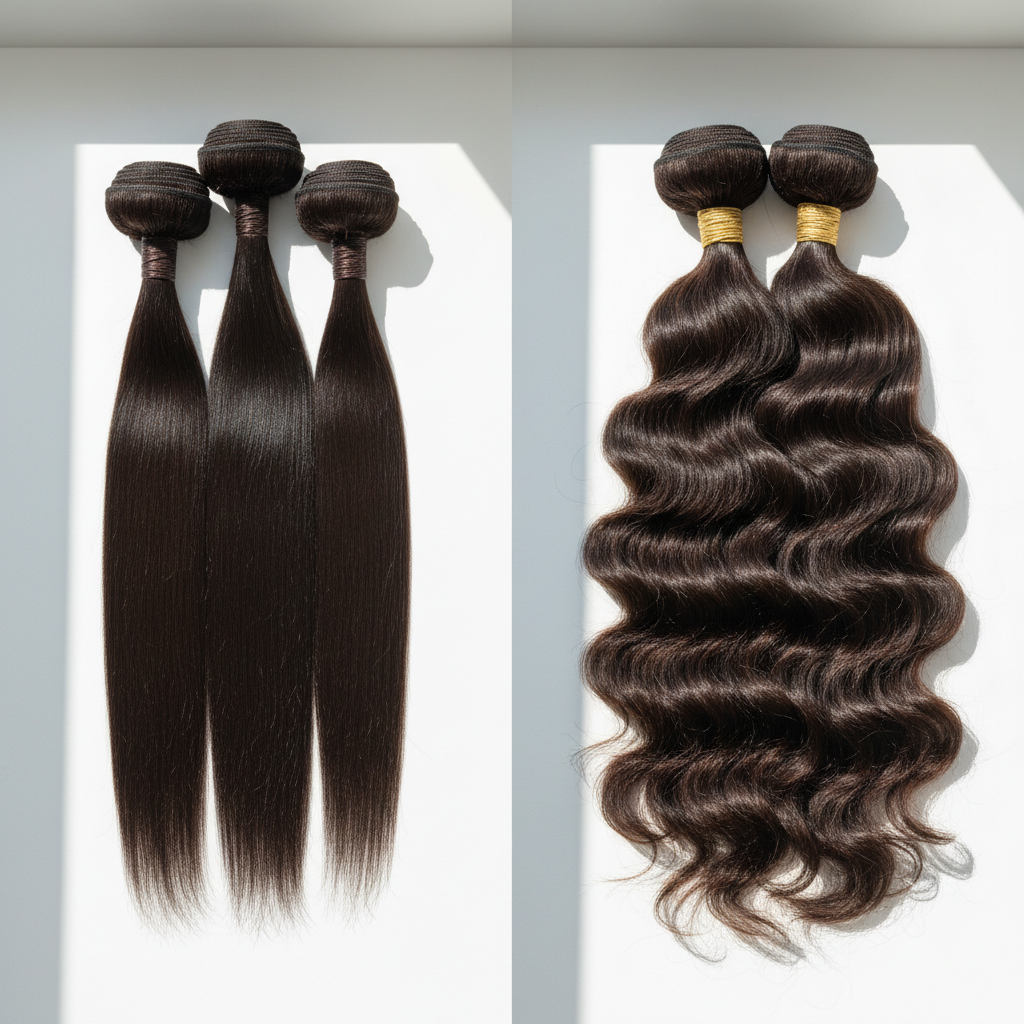
Indian Hair: Characteristics & Strengths
Indian Remy hair is widely considered the most versatile human hair type on the market. Sourced primarily from temple donations across southern India, it is collected with cuticles aligned root to tip — the defining feature of true Remy hair.
Texture
Indian hair is naturally straight to wavy, with a fine-to-medium strand diameter. It's lightweight, which makes it comfortable for all-day wear in wigs, and it blends naturally with a wide range of hair textures.
Density & Weight
Indian hair bundles are typically lighter than Brazilian bundles. If you're installing a full wig or multiple bundles, this matters — Indian hair creates a natural, non-bulky result, especially for longer lengths.
Colour
Indian hair comes in natural dark brown to black shades. It takes colour very well, making it ideal for those who want to dye or highlight their extensions or wig.
Longevity
Properly cared for Indian Remy hair can last 2–3 years. Its fine texture means it's slightly more susceptible to dryness without regular conditioning, but it responds beautifully to moisture treatments.
Indian Hair: Quick Summary
Pros
Cons
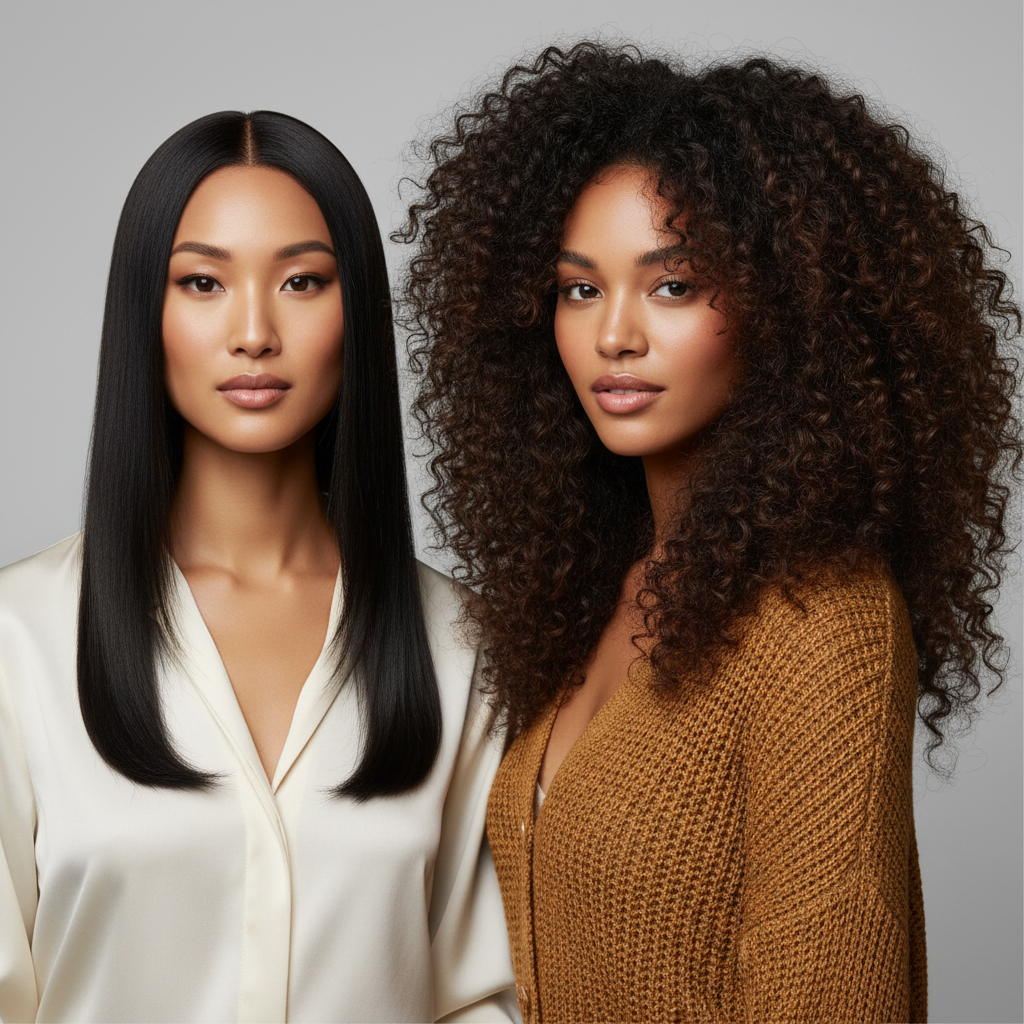
Brazilian Hair: Characteristics & Strengths
Despite its name, "Brazilian hair" sold in the US and UK does not necessarily come from Brazil. The term refers more to a texture profile — medium to thick strands, a natural body wave or light curl, and a lustrous shine. Much of it is actually sourced from Southeast Asia, particularly Cambodia and Vietnam.
Texture
Brazilian hair is naturally thicker and has more body than Indian hair. It typically has a natural wave or curl pattern, ranging from a loose body wave to a deep curl. This gives it exceptional volume and fullness.
Density & Weight
Brazilian hair bundles are heavier than Indian. For full, voluminous styles — particularly afro-textured or curly styles — fewer bundles may be needed to achieve density. However, the weight can feel heavier in longer lengths.
Colour
Brazilian hair comes in dark brown to black shades similar to Indian hair, though the thicker strands require slightly more developer when lightening. It accepts colour well but may need extra conditioning afterward.
Longevity
The thicker strand diameter makes Brazilian hair extremely durable. With proper care, it can last 2–4 years, often slightly outperforming Indian hair in raw longevity.
Brazilian Hair: Quick Summary
Pros
Cons
Indian vs Brazilian Hair: Full Comparison Table
| Feature | Indian Hair | Brazilian Hair |
|---|---|---|
| Strand Thickness | Fine to medium | Medium to thick |
| Weight | Lighter | Heavier |
| Natural Texture | Straight to wavy | Wavy to curly |
| Volume | Moderate | High |
| Colour Uptake | Excellent | Good |
| Heat Tolerance | High | High |
| Lifespan | 2–3 years | 2–4 years |
| Price per Bundle | $60–$130 | $70–$150 |
| Best For | Sleek, natural, versatile styles | Volume, curly, body wave styles |
| Blend With Fine Hair | Excellent | Moderate |
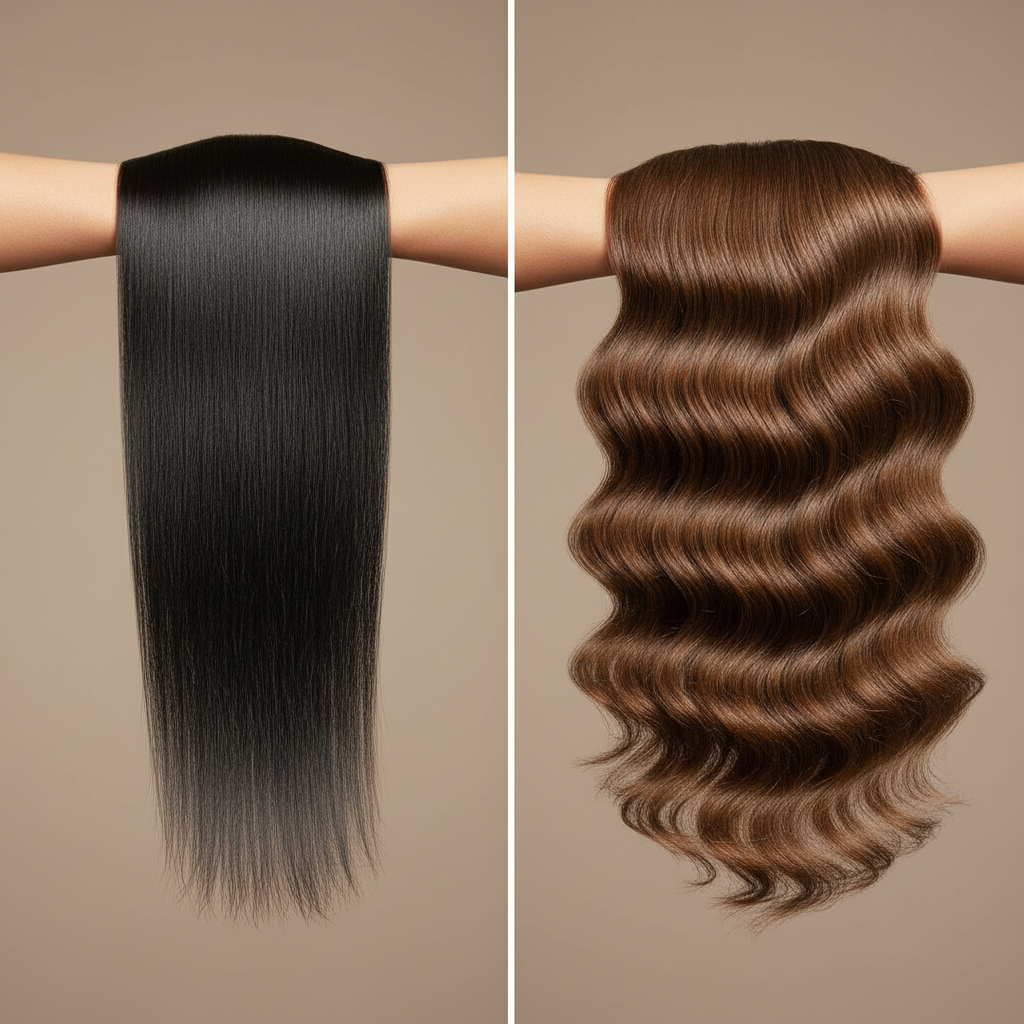
Styling Differences: Which Performs Better?
When it comes to styling, both hair types perform well — but they shine in different areas.
Straight Styles
Indian hair wins here. Its naturally finer, straighter texture means it falls sleek and smooth with minimal effort. Brazilian hair can be straightened but requires more consistent heat and often shows more frizz over time.
Curly & Wavy Styles
Brazilian hair wins. Its natural body wave or curl pattern means curly styles look effortless and hold their shape longer. Indian hair can be curled beautifully, but it may need more product to maintain the style.
Colour & Highlights
Indian hair edges ahead for colour work. The finer strands lift more easily and accept colour more uniformly. Brazilian hair takes colour too, but lightening very thick strands can cause more damage if not done carefully.
Price & Value: What Should You Expect to Pay?
Both hair types sit in a similar premium price range, but Brazilian hair tends to cost slightly more per bundle due to its weight and volume. Here's a rough breakdown:
- Indian Remy Bundles (14"–20"): $60–$110 per bundle
- Indian Remy Bundles (22"–30"): $110–$140+ per bundle
- Brazilian Hair Bundles (14"–20"): $75–$130 per bundle
- Brazilian Hair Bundles (22"–30"): $120–$160+ per bundle
Keep in mind that you typically need 3–4 bundles for a full installation. Indian hair's lighter weight means you may need more bundles to achieve the same volume as Brazilian, though the difference in final cost is often minimal.
Which Should You Choose?
The honest answer: it depends on your desired style and natural hair type.
- Choose Indian hair if you want sleek, straight styles; plan to colour your hair; have finer natural hair you want to blend with; or prefer a lighter weight installation.
- Choose Brazilian hair if you want maximum volume; love body waves or curls; have thicker natural hair; or prioritise longevity above all else.
For most beginners, we actually recommend starting with Indian Remy hair — the versatility, price point, and blend-ability make it the most forgiving choice while you learn what works for you.

New to wigs? Our complete beginner's guide covers everything you need to know.
Best Wigs for BeginnersRecommended Products
Affiliate Product Picks
- ✦ UNice Indian Straight Bundles — Top-rated Indian Remy → Check Price
- ✦ Luvme Brazilian Body Wave — Premium body wave bundles → Check Price
- ✦ Mielle Organics Moisturising Conditioner — Works on both hair types → Check on Amazon
- ✦ Denman Detangling Brush — Gentle on all human hair types → Check on Amazon
Frequently Asked Questions
Is Brazilian hair actually from Brazil?
Not necessarily. 'Brazilian hair' is largely a texture designation rather than a geographic origin. Much of what's sold as Brazilian hair is sourced from Southeast Asia.
Which lasts longer — Indian or Brazilian?
Brazilian hair's thicker strands give it a slight edge in raw durability. However, Indian Remy maintained with regular deep conditioning can also reach 2–3+ years.
Can I mix Indian and Brazilian hair bundles?
It's generally not recommended. Mixing different textures and weights can result in an uneven, inconsistent finish. Stick to one type for the full installation.
Which is better for beginners?
Indian Remy hair is our recommendation for beginners. It's lighter, more versatile, and blends naturally with most hair types, making it easier to work with.
Does Brazilian hair tangle more than Indian hair?
Brazilian hair's thicker strands can create more friction if not regularly detangled and moisturised, particularly in curly styles. Indian hair, with its finer texture, is generally slightly less prone to tangling.
Learn all about Indian Remy hair — what it is, how it's sourced, and how to identify the real thing.
What Is Indian Remy Hair?